
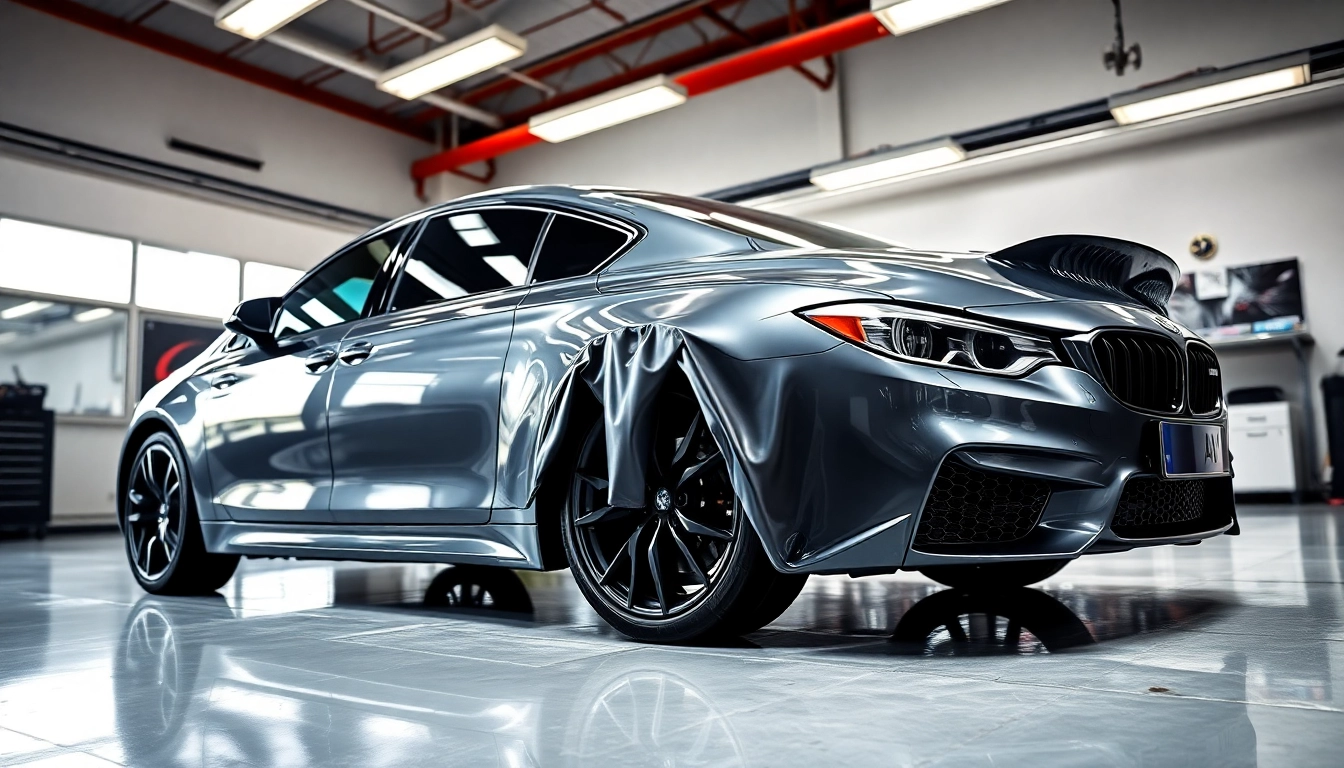
Understanding Paint Protection Film
What is Paint Protection Film?
Paint Protection Film (PPF) is a transparent, durable material that is applied to the exterior surfaces of a vehicle to shield it from various types of damage. It acts as a barrier against rocks, road debris, scratches, and environmental contaminants, ensuring that your paint remains unblemished for as long as possible. Made from advanced polyurethane, this film provides excellent clarity and is virtually invisible once installed, making it a preferred choice for car enthusiasts and everyday drivers alike. If you are searching for paint protection film near me, you will find a range of options tailored to your vehicle’s specific needs.
Benefits of Paint Protection Film
The advantages of using Paint Protection Film extend beyond just aesthetic appeal. Here are several key benefits:
- Damage Resistance: PPF is designed to absorb impacts and protect against scratches, dents, and chips.
- UV Protection: It helps to prevent color fading and oxidation from harmful UV rays.
- Self-Healing Properties: Many modern PPF products can self-heal minor scratches with heat, maintaining the vehicle’s appearance over time.
- Easy Maintenance: PPF can be washed and waxed just like painted surfaces, making it easy to care for.
- Enhancement of Resale Value: Vehicles with paint protection film can often command a better resale value, as the paint remains intact and unblemished.
How Paint Protection Film Works
Paint Protection Film works through a combination of its material properties and its application techniques. When professionally installed, PPF adheres closely to the surface of the vehicle, forming a protective layer that is both flexible and resilient. The top layer of the film is engineered to disperse the energy of impacts, preventing damage to the vehicle’s paint. Additionally, special coatings allow dirt and grime to be easily washed away, contributing to the film’s longevity and effectiveness.
Choosing the Right Film
Types of Paint Protection Film
Not all Paint Protection Films are created equal. There are several types available, each designed to meet different preferences and needs:
- Standard Film: Typically offers good protection against common abrasions and is an affordable option.
- Self-Healing Film: Contains thermoplastic elastomeric properties that allow minor scratches to heal with heat.
- Matte Wrap Film: This film provides a satin or matte finish, making it ideal for vehicles with a matte paint job.
- Tinted Film: Offers additional UV protection and can help with temperature control inside the vehicle.
- Hydrophobic Film: Designed to repel water, dirt, and contaminants, ensuring your vehicle remains cleaner for longer.
Factors to Consider When Selecting Film
When choosing a Paint Protection Film, it is important to consider various factors that may influence your decision:
- Durability: Look for films with high durability ratings, ensuring they stand up to environmental stressors.
- Thickness: Thicker films generally offer better protection but may affect the overall aesthetics.
- Warranty and Lifespan: Consider options that come with a good warranty, as they tend to signify quality.
- Brand Reputation: Research trusted brands with positive reviews to ensure reliability and performance.
- Installation Complexity: Some films may require more expertise for installation; ensure you choose one within your comfort level.
Common Misconceptions
As the popularity of Paint Protection Film has grown, so have misconceptions surrounding its use:
- PPF is Only for High-End Cars: While luxury vehicles often benefit from PPF, everyday vehicles also gain significant protection.
- PPF Yellowing Over Time: High-quality films are designed to resist yellowing and degradation from UV exposure.
- DIY Installation is Just as Good: Professional installation is recommended to ensure a proper fit and finish.
- PPF Damages Paint Upon Removal: When installed correctly, PPF can be safely removed without harming the underlying paint.
- PPF is Too Expensive: While the upfront cost may seem high, the long-term benefits often outweigh the initial investment.
Installation Process Explained
Preparing Your Vehicle for Film Application
Preparation is crucial for a successful Paint Protection Film installation. Here’s how to get your vehicle ready:
- Thorough Cleaning: Wash the vehicle to remove any dirt, wax, and contaminants.
- Polishing: If there are any swirl marks or minor scratches on the paint, polish the surface to enhance the final result.
- Drying: Ensure the car is completely dry before applying the film.
- Temperature Control: Ideal installation temperatures are between 60°F and 80°F; adjust your workspace accordingly.
Professional vs. DIY Installation
The decision between professional installation and DIY can significantly affect the outcome:
- Professional Installation: Experts have the knowledge, experience, and tools to ensure a perfect fit. They often offer warranties on their work.
- DIY Installation: This may appear cost-effective, but improper installation can result in bubbles, wrinkles, or premature peeling, negating the benefits of the film.
Post-Installation Care Tips
Once your Paint Protection Film is installed, proper maintenance is essential to maximize its lifespan:
- Wait Before Washing: Allow the film to cure for at least 48 hours before washing your vehicle.
- Use Mild Cleaners: Opt for pH-neutral soap and avoid harsh chemicals that can damage the film.
- Soft Cloths: Always use soft, clean microfiber towels for drying to prevent scratching the surface.
- Regular Inspections: Check for any lifting or damage periodically, especially in high-impact areas.
Addressing Concerns About Paint Protection Film
Is It Worth the Investment?
When weighing the cost against the benefits, many vehicle owners find that Paint Protection Film is a worthwhile investment. The protection it offers against scratches, UV damage, and environmental pollutants can save you money on repainting and repairs over time. Plus, it provides peace of mind that your investment is shielded from everyday wear and tear.
How Long Does Paint Protection Film Last?
Most high-quality Paint Protection Films can last anywhere from 5 to 10 years, depending on the brand and how well they are maintained. Factors affecting the lifespan include exposure to harsh weather, how often the vehicle is washed, and whether it has been properly installed. Regular cleaning and maintenance can help ensure the film’s longevity.
What Happens When the Film Gets Damaged?
If your Paint Protection Film gets damaged, the extent of the damage will determine the next steps. Minor scratches may heal over time if you have a self-healing film, but deeper cuts or tears may require patching or full replacement of the damaged section. In most cases, damaged PPF can be removed without harming the car’s underlying paint.
Frequently Asked Questions
Why should I use paint protection film near me?
Using paint protection film near you can provide local expertise and ensure that your vehicle receives tailored service and care during installation.
Can paint protection film be removed?
Yes, paint protection film can be safely removed by professionals without damaging the underlying paint, provided it was initially installed correctly.
What is the cost of paint protection film?
The cost of paint protection film varies widely based on vehicle size, film type, and installation method, typically ranging from a few hundred to several thousand dollars.
Does paint protection film affect paint color?
No, high-quality paint protection film is designed to be clear and will not alter the color of your vehicle’s paint.
How long does installation take?
Installation time can vary based on the vehicle and film type but generally takes between two to four hours for professional applications.
