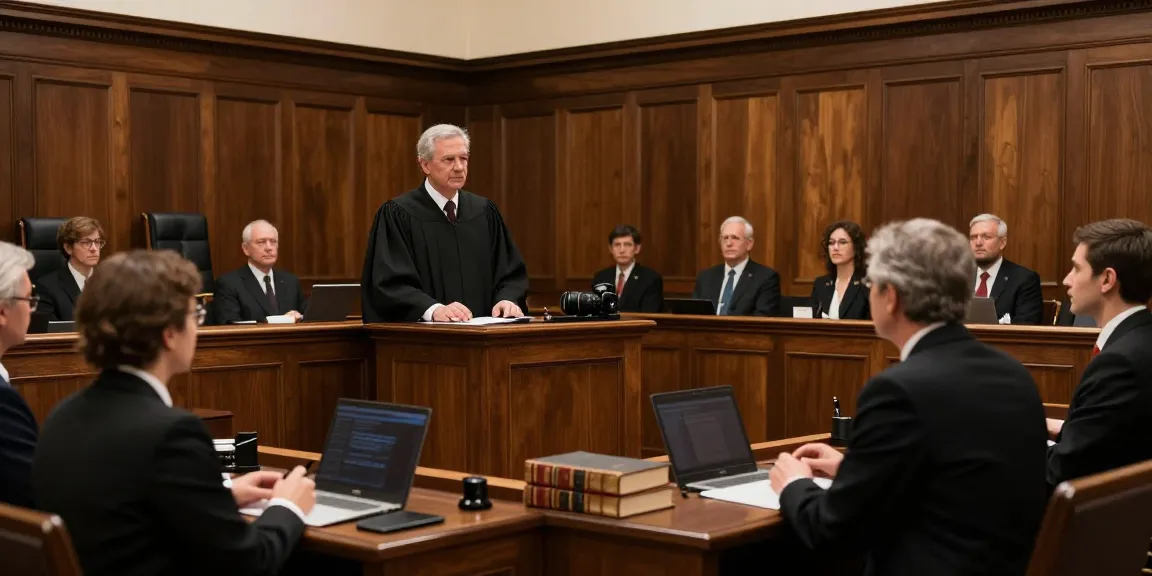
Understanding the Bahamas Judiciary System
The Bahamas judiciary system is a vital component of the nation’s governance, reflecting its commitment to justice, fairness, and the rule of law. Understanding its structure, roles, and processes is essential for both citizens and visitors navigating legal matters in this island nation. In this article, we will delve into the intricacies of the Bahamian judiciary, exploring its key courts, the functions of judges and justices, as well as the legal processes in place. For comprehensive insights into this system, consider visiting https://www.bahamasjudiciary.com.
Overview of Judicial Structure
The Bahamian judicial system is founded on English common law and consists of several tiers designed to ensure justice at all levels. At its apex is the Supreme Court, followed by the Court of Appeal, the Magistrates' Courts, and various specialized courts such as the Family Court and Commercial Court. Each court serves distinct functions and addresses different types of legal issues, ensuring a comprehensive legal framework.
Key Courts in the Bahamas
The Bahamian judiciary features several key courts that play crucial roles in the legal landscape:
- The Supreme Court: This is the highest court in the Bahamas, tasked with handling serious criminal cases, civil disputes, and matters of constitutional law.
- The Court of Appeal: This appellate court reviews decisions made by the Supreme Court and is essential for ensuring legal uniformity and correcting judicial errors.
- Magistrates' Courts: These courts deal with less serious offenses and civil matters, serving as the first point of contact for many individuals entering the legal system.
- Specialized Courts: The Family Court resolves issues related to family law, while the Commercial Court addresses complex business disputes, enhancing efficiency in the legal process.
The Role of Judges and Justices
Judges and justices in the Bahamas are pivotal in upholding the rule of law and administering justice. They are responsible for interpreting the law, ensuring fair trials, and delivering judgments that are not only legal but also equitable. Appointed by the Governor-General, the judiciary operates independently from the executive and legislative branches, thus maintaining checks and balances within the government. Judges also play a crucial educational role by clarifying legal principles through their rulings, which inform future cases and legal understanding.
Legal Processes in the Bahamas
Filing Cases and Legal Procedures
Filing a case in the Bahamas involves several steps, starting with the preparation of legal documents, followed by submission to the appropriate court. The process varies depending on whether one is pursuing civil or criminal action. It's essential to understand the necessary paperwork, fees, and procedural nuances to ensure a smooth initiation of legal proceedings. Additionally, engaging a qualified attorney can significantly streamline this process and improve outcomes.
Understanding Court Hearings
Court hearings in the Bahamas can vary widely depending on the court and type of case being heard. Generally, hearings can be either civil or criminal, with different protocols for each. During these hearings, parties present evidence, witnesses may be called, and lawyers will argue their positions. Understanding the procedural rules and expected conduct during hearings is vital for all parties involved, ensuring that the judicial process is respected and upheld.
A Deeper Look into Judgments and Appeals
Once a judgment is rendered in a case, parties have the right to appeal the decision if they believe an error has occurred. The appeals process in the Bahamas involves submitting a notice of appeal and preparing legal documents outlining the grounds for the appeal. This stage is critical as it allows for the review of decisions made by lower courts, and it can effectively change outcomes in significant cases. The appellate courts provide a vital check on the decisions of lower courts, ensuring that justice is served consistently across the judiciary.
Rights and Responsibilities in the Bahamas Judiciary
Civil Rights in Legal Proceedings
Every individual within the Bahamian legal system is entitled to certain civil rights during proceedings. These include the right to a fair trial, legal representation, and the opportunity to present one’s case without undue interference. The judiciary’s role in safeguarding these rights is paramount, and the system is designed to ensure that all individuals, regardless of status, are treated fairly under the law.
Responsibilities of Legal Professionals
Legal professionals in the Bahamas, including attorneys and judges, have a set of responsibilities that are crucial in maintaining the integrity of the judiciary. Lawyers are required to represent their clients ethically and competently, while judges must ensure that cases are decided based on law and facts, free from bias or external pressures. Continuous professional development and adherence to ethical guidelines are vital in this respect.
Understanding Client Rights
Clients engaging with the legal system in the Bahamas have specific rights that protect their interests. This includes the right to confidentiality, informed consent about legal strategies, and the ability to question legal advice. Understanding these rights empowers clients and helps them navigate often complex legal landscapes effectively.
Upcoming Trends in Bahamas Law for 2026
Expected Legal Reforms
In 2026, several reforms are expected to reshape the legal landscape in the Bahamas. Legislative changes aimed at enhancing transparency and efficiency in the judiciary are anticipated, alongside reforms focused on modernizing legal procedures. These changes aim to improve access to justice and meet the evolving needs of society.
Impact of Digitalization on the Judiciary
Digitalization is set to transform many aspects of the Bahamian judiciary. The integration of technology into legal processes, including case management systems and online filing, is expected to streamline operations and improve access to legal services. As the judiciary embraces digital tools, the public can anticipate a more efficient system that reduces bottlenecks and promotes responsiveness.
The Future of Legal Representation
As legal practices evolve, the representation of clients in the Bahamas is also changing. With an increasing reliance on technology, lawyers are adapting to newer modes of communication and case management. Future legal representation may see a greater incorporation of mediation and alternative dispute resolution, promoting amicable settlements over prolonged court battles.
Frequently Asked Questions
What are the main courts in the Bahamas?
The main courts in the Bahamas are the Supreme Court, the Court of Appeal, and Magistrates' Courts, along with specialized courts such as the Family Court and Commercial Court.
How do I file a case in the Bahamas?
To file a case in the Bahamas, one must prepare the necessary legal documents and submit them to the appropriate court, adhering to specific procedures and requirements.
What rights do I have in a Bahamian court?
Individuals have the right to a fair trial, legal representation, and to be treated with dignity throughout legal proceedings.
What are the recent developments in Bahamian law?
Recent developments include ongoing discussions about legal reforms aimed at improving access to justice and modernizing the judiciary through technology.
How is technology changing the judiciary in the Bahamas?
Technology is enhancing the efficiency of court processes, enabling online filings, and improving case management systems to better serve the public and legal practitioners.