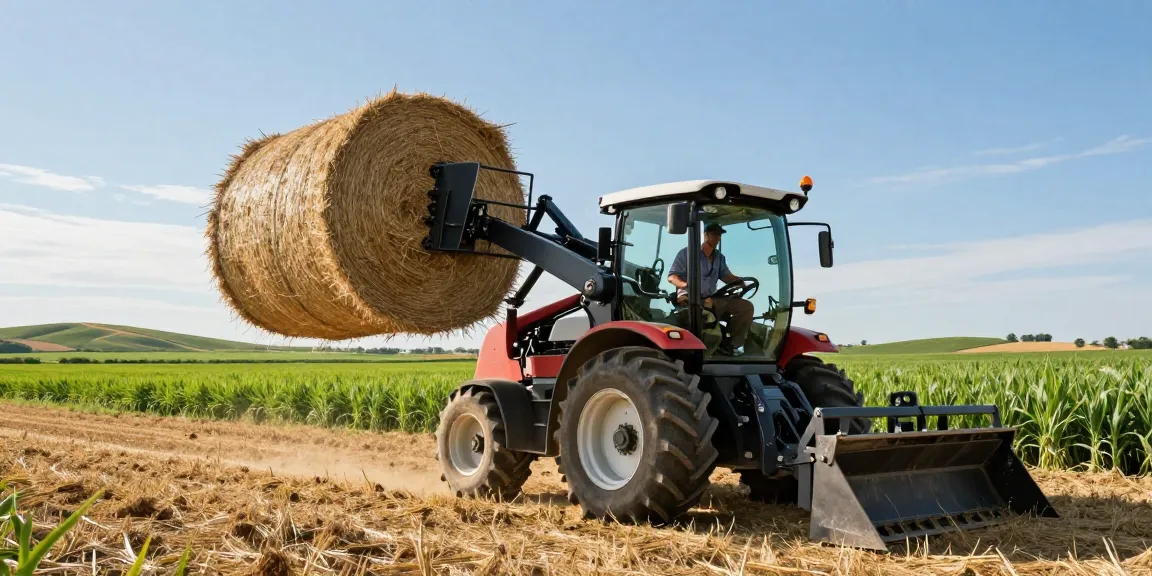
Understanding the Benefits of Farm Electric Loaders
As agricultural practices evolve, the demand for efficient and sustainable machinery has never been more pressing. Electric loaders, specifically designed for farm applications, offer a myriad of benefits that can enhance productivity while reducing environmental impact. When exploring options, farm electric loader solutions present a compelling case for modern farmers seeking to innovate their operations. This article delves into the advantages of these machines, covering everything from environmental impacts to cost savings and performance enhancements.
1. Environmental Advantages of Electric Loaders
One of the most significant benefits of electric loaders is their reduced carbon footprint. Unlike traditional diesel-powered machinery, electric loaders produce zero emissions at the point of use, which is particularly crucial in environmentally sensitive farming areas. This not only helps farmers comply with increasingly stringent regulations but also contributes to a cleaner, healthier atmosphere on and around farms.
- Lower Noise Pollution: Electric loaders operate much quieter than their diesel counterparts, minimizing noise pollution, which can be particularly beneficial in residential farming areas.
- Renewable Energy Integration: Many electric loaders can be charged using renewable energy sources, further enhancing their sustainability profile.
- Battery Recycling Programs: Manufacturers are increasingly focusing on creating recyclable batteries, contributing to a circular economy.
2. Cost Savings in Long-Term Operations
While the initial purchase price of an electric loader may be higher than that of a diesel loader, the long-term savings can be substantial. Electric loaders have fewer moving parts and require less maintenance, reducing operational costs dramatically.
- Lower Fuel Costs: Electric loaders run on electricity, which is usually cheaper than diesel fuel, translating to significant savings over time.
- Reduced Maintenance: With fewer mechanical components that can wear out, electric loaders require less frequent servicing and repairs, saving farmers both time and money.
- Government Incentives: Many governments offer tax credits or grants for the purchase of electric equipment, further reducing the overall cost burden.
3. Enhanced Performance and Efficiency
Electric loaders are not just environmentally friendly; they also offer superior performance and efficiency. These machines often provide instant torque, which helps in tasks requiring quick lifting and moving capabilities on farms.
- Precision Control: Electric loaders allow for finer control over lifting and maneuvering, which can be crucial when handling delicate tasks or navigating in tight spaces.
- Improved Load Capacity: Many electric models are designed with enhanced lifting capabilities, which is essential for modern farming requirements.
- Robust Battery Technology: Advances in battery technology have led to longer-lasting power and quicker charging times, ensuring that electric loaders can keep pace with demanding agricultural workloads.
Choosing the Right Farm Electric Loader for Your Needs
With a variety of electric loaders available on the market, selecting the right model for your specific agricultural needs can be challenging. There are several important factors to consider to ensure you get the best fit for your operations.
1. Assessing Load Capacity and Features
The load capacity of electric loaders can vary significantly, depending on the model. It is crucial to assess your typical load requirements thoroughly. Consider what you will be lifting most often—whether it be soil, produce, or heavy equipment—and choose a loader that can manage these tasks effortlessly.
2. Comparing Electric Loader Models
When evaluating different models, look for brand reputation, warranty offerings, and customer service reviews. Certain brands, like Texlift, are known for their robust support and high-quality equipment that meets diverse agricultural needs.
3. Evaluating Maintenance and Support Considerations
Choose a model that comes with comprehensive maintenance support. Considering the operational downtime due to maintenance is key to maintaining productivity. Look for suppliers who provide not only quality equipment but also strong after-sales service.
Best Practices for Operating Farm Electric Loaders
Maximizing the benefits of electric loaders requires adherence to best practices in operation. Here are some essential tips to ensure efficient and safe use of your equipment.
1. Safety Protocols to Follow
Implementing rigorous safety protocols is fundamental. Always conduct pre-operation checks to ensure the equipment is in good working condition. Ensure operators are trained and familiar with the safety measures related to electric machinery.
2. Effective Maneuvering Techniques
Electric loaders offer intuitive handling, but training operators in effective maneuvering techniques can further enhance safety and efficiency. Emphasizing smooth operations can prevent wear and tear on the machinery.
3. Regular Maintenance Tips for Longevity
Regular maintenance plays a vital role in the longevity of electric loaders. Schedule routine inspections and keep an eye on battery health, charging infrastructure, and overall machinery cleanliness to extend the life of your equipment.
Emerging Trends in Farm Electric Loader Technology for 2026
The technological landscape for electric loaders is continually evolving. Here are some exciting trends to watch in the coming years.
1. Innovations in Battery Technology
Battery technology is advancing rapidly, with manufacturers developing batteries that charge faster and last longer. Solid-state batteries are emerging as a promising solution for increased energy density and safety.
2. Smart Features and Automation Enhancements
As automation continues to permeate agriculture, electric loaders are expected to incorporate smart features such as autonomous driving capabilities, increased connectivity, and integration with farm management systems.
3. Sustainability Initiatives in Agricultural Equipment
With a stronger emphasis on sustainability, electric loader manufacturers are increasingly focusing on eco-friendly materials and production processes, driving the entire industry toward greener practices.
Real-World Applications of Farm Electric Loaders
Understanding how electric loaders fit into actual farming operations can help potential buyers see their full utility. Here are some real-world applications.
1. Case Studies from Modern Farms
Many modern farms have successfully integrated electric loaders into their operations. Case studies show significant increases in productivity, reduced emissions, and improved labor efficiency.
2. Integrating Loaders into Everyday Farming Tasks
Farm electric loaders can be used for various tasks, including lifting bales, moving soil, and transporting equipment. Their versatility makes them an essential tool for any progressive farm operation.
3. Impact on Productivity and Profitability
The adoption of electric loaders has been linked to increased productivity and profitability in several studies. By reducing operational costs and enhancing efficiency, farmers can reinvest savings into their operations or expand their business.
What are farm electric loaders?
Farm electric loaders are compact yet powerful machines designed specifically for agricultural applications. They run on electric power, providing a sustainable alternative to traditional diesel loaders.
How do electric loaders compare to diesel loaders?
Electric loaders typically offer lower emissions, less noise, and reduced operational costs compared to diesel loaders. They are ideal for farmers looking to improve sustainability while maintaining performance.
What maintenance is required for farm electric loaders?
Maintenance for electric loaders generally involves regular battery checks, periodic inspections of electrical systems, and ensuring cleanliness to prevent dirt or grime from affecting performance.
Where can I find the best farm electric loader models?
Several reputable manufacturers and dealers offer a wide range of electric loaders. Brands like Texlift provide advanced options that cater specifically to farm needs.
Are there government incentives for using electric farm equipment?
Many governments provide various incentives for purchasing electric farm equipment, including tax credits, grants, and subsidies aimed at promoting sustainable agricultural practices.