
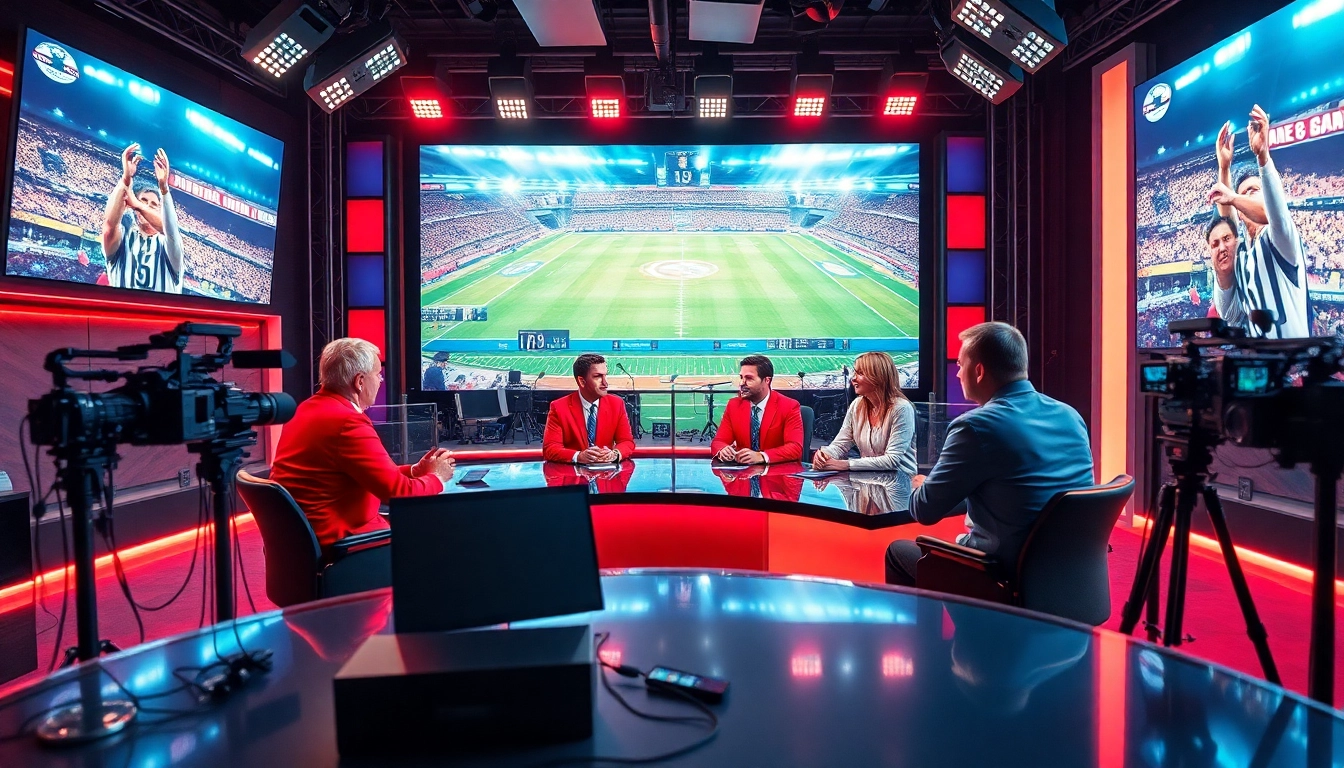
Understanding Sports Broadcasting
What is Sports Broadcasting?
Sports Broadcasting is the dissemination of live or recorded sports events via broadcast mediums such as television, radio, and streaming services. It serves not only to entertain audiences but also to keep them informed about the latest developments in the sports realm. Combined with technology, Sports Broadcasting allows for an interactive experience where fans engage with their favorite teams and athletes regardless of geographical barriers.
The Evolution of Sports Broadcasting
The journey of sports broadcasting has been remarkable. It began in the early 20th century when radio broadcasts of baseball games initiated a new way for fans to follow their teams. As technology progressed, the mid-20th century saw the introduction of television broadcasts, revolutionizing how fans at home experienced sports. The introduction of color TV and high-definition formats opened even more avenues for enhancing viewer experience. Recently, digital platforms and streaming services have completely transformed traditional broadcasting models, allowing for on-demand access to sports content.
Key Players in Sports Broadcasting
The landscape of sports broadcasting is dominated by various entities, including major television networks, radio stations, and emerging digital platforms. Networks like ESPN, NBC Sports, and Fox Sports have long been at the forefront, securing lucrative broadcasting rights to major leagues. Meanwhile, platforms like Amazon and YouTube are redefining how sports content is delivered, appealing to younger, tech-savvy audiences. Additionally, social media plays a pivotal role in amplifying live sports narratives, creating a 360-degree experience for fans.
Techniques for Effective Sports Broadcasting
Engaging Commentary Strategies
One of the fundamental aspects of sports broadcasting is commentary. Engaging commentators utilize a blend of storytelling, humor, and expert analysis. They create a narrative that captures the ebb and flow of the game. A well-timed anecdote or insightful commentary can enhance the viewer’s experience and build a connection with the audience. Utilizing the right tone and pacing is crucial; for instance, the excitement during pivotal moments must be palpable, while calmer tones might accompany reflective segments.
Utilizing Statistics and Analytics
Statistics have become an integral element of modern sports broadcasting. The ability to dissect and analyze player performances, team statistics, and historical data adds layers to the narrative being presented. Viewers now expect detailed performance metrics during broadcasts, which enhance their understanding of the game. Broadcasters often integrate graphics and visual aids to present these stats effectively, illustrating how they impact the game’s outcome.
Enhancing Visual Storytelling
Visual storytelling encapsulates the aesthetic aspects of broadcasts. High-definition camera work, aerial shots, and various angles help capture the dynamism of sports. The use of slow-motion replay can serve to emphasize critical moments and decisions, allowing viewers to gain a deeper understanding of the sport’s nuances. Moreover, integrating graphics, player statistics, and real-time analytics within the visuals ensures that the audience remains engaged and informed throughout the event.
Challenges in the Sports Broadcasting Industry
Managing Real-Time Information
In the fast-paced environment of sports, broadcasters face the challenge of delivering accurate and real-time information to viewers. This includes player injuries, game-time decisions, and instant replays. The pressure to provide swift but precise updates can lead to the dissemination of misinformation. Therefore, it is critical for broadcasters to have reliable sources and robust systems in place to ensure that their reporting is accurate and timely.
Adapting to Audience Preferences
As consumer preferences evolve, so too must the strategies of sports broadcasters. Audiences increasingly desire personalization and interactivity in their viewing experiences. Broadcasters are now expected to cater to various demographics and viewing habits. This includes offering alternative commentary options, interactive features, and localized content to engage different audience segments effectively. Understanding the viewer’s preferences is key to maintaining loyalty and maximizing reach.
Navigating Legal and Ethical Considerations
The broadcasting industry must also navigate a complex web of legal and ethical issues, such as rights management, content licensing, and viewer privacy. Ensuring compliance with broadcasting laws and regulations is imperative to avoid costly lawsuits and maintain the trust of the audience. Ethical considerations regarding the portrayal of athletes, especially concerning issues like mental health and personal lives, require sensitivity and responsibility from broadcasters.
The Future of Sports Broadcasting
Trending Technologies and Innovations
As technology continues to advance, so does the field of sports broadcasting. Innovations such as augmented reality (AR) and virtual reality (VR) are set to create immersive viewing experiences, allowing viewers to feel as if they are part of the action. Moreover, artificial intelligence (AI) is being utilized to streamline production processes, personalize content, and enhance viewer engagement through improved analytics and predictive technologies.
Integrating Social Media in Coverage
Social media has emerged as a powerful tool in sports broadcasting. Not only does it provide real-time updates and interaction, but it also allows broadcasters to reach wider audiences. Integrating social media interactions into broadcasts enables viewers to feel valued as they can share their thoughts and opinions in real time. Highlighting user-generated content can further enhance audience engagement and provide a fresh perspective on the coverage.
Changing Consumer Behaviors
Today’s audiences consume sports content differently than they did in the past. The rise of on-demand platforms and mobile viewing has led to a decline in traditional broadcasting viewership. Broadcasters must adapt to this shifting landscape by leveraging digital platforms and creating flexible viewing experiences that cater to the needs of modern consumers. Understanding these behavioral trends is critical for developing content strategies that resonate with audiences.
Measuring Success in Sports Broadcasting
Key Performance Indicators (KPIs)
Defining success in sports broadcasting goes beyond just viewership numbers. Key Performance Indicators (KPIs), such as audience reach, viewer retention, and conversion rates for subscription-based services are critical for measuring effectiveness. Additionally, examining revenue from advertising and partnerships can provide insights into the profitability of aired sports events. Using a blend of qualitative and quantitative metrics enables broadcasters to assess their strategies effectively.
Audience Engagement Metrics
Audience engagement is a leading indicator of a successful broadcast. Metrics such as social media interactions, comments, and shares provide tangible evidence of how viewers are responding to the content. Tracking viewer responses can inform future programming decisions and help broadcasters tailor their content to maximize engagement levels. Technology has enabled producers to obtain real-time feedback, making adjustments on-the-fly as needed.
Feedback and Improvement Strategies
Finally, establishing feedback loops with viewers is crucial in the constantly evolving broadcasting landscape. Surveys, focus groups, and data analytics can provide valuable insights into audience preferences and expectations. Using this feedback to implement adjustments to future broadcasts creates a customer-oriented approach. Continuous improvement enables broadcasters to evolve with the audience and enhance their viewing experiences significantly.
Frequently Asked Questions
What does sports broadcasting entail?
Sports broadcasting encompasses the transmission of live or recorded sports events to viewers through various media channels, including TV, radio, and online streaming.
What are some challenges faced in sports broadcasting?
Challenges in sports broadcasting include managing real-time information, addressing diverse audience preferences, and adhering to legal and ethical standards.
How has technology transformed sports broadcasting?
Technology has introduced innovations like virtual reality, augmented reality, and enhanced analytics, changing how audiences engage with sports content.
What KPIs are important in measuring sports broadcasting success?
Key Performance Indicators (KPIs) include audience reach, viewer retention, advertising revenue, and subscription rates, reflecting the overall effectiveness of broadcasts.
How can audience engagement metrics improve sports broadcasting?
Audience engagement metrics help broadcasters understand viewer preferences and tailor content accordingly, ultimately enhancing viewer satisfaction and loyalty.